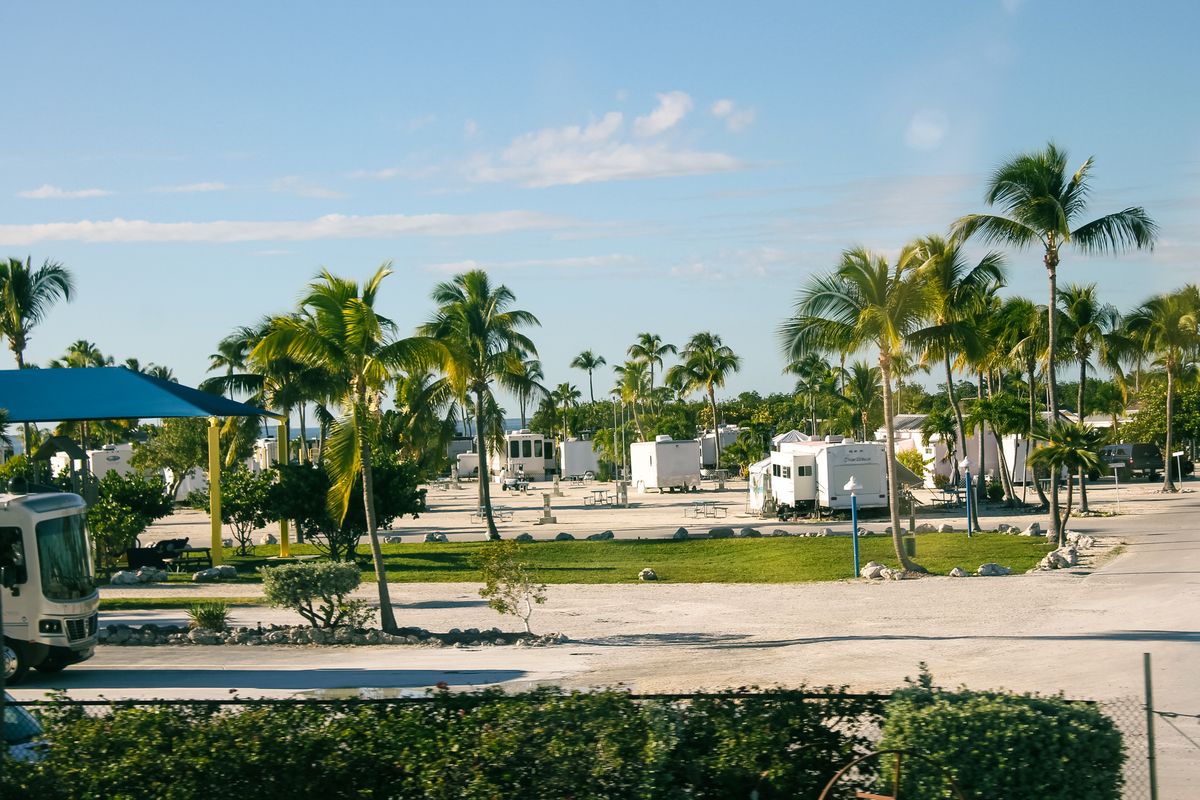
Moving parts, desert rules
The Two Systems That Pick the Worst Possible Moment
Slide-outs and awnings share a talent for failing theatrically. The slide jams half-open the morning you planned to pull out for Death Valley. The awning motor dies with the fabric extended and a wind advisory posted. Around Pahrump both systems live a hard life: UV cooks the rubber seals and awning fabric, dust works into rollers and gear racks, and the valley's spring winds are the number-one destroyer of awnings left out unattended.
Both systems are also thoroughly repairable at your site. Slide and awning work is bread-and-butter mobile territory — motors, seals, fabric, arms, and controllers all travel well on a service truck.
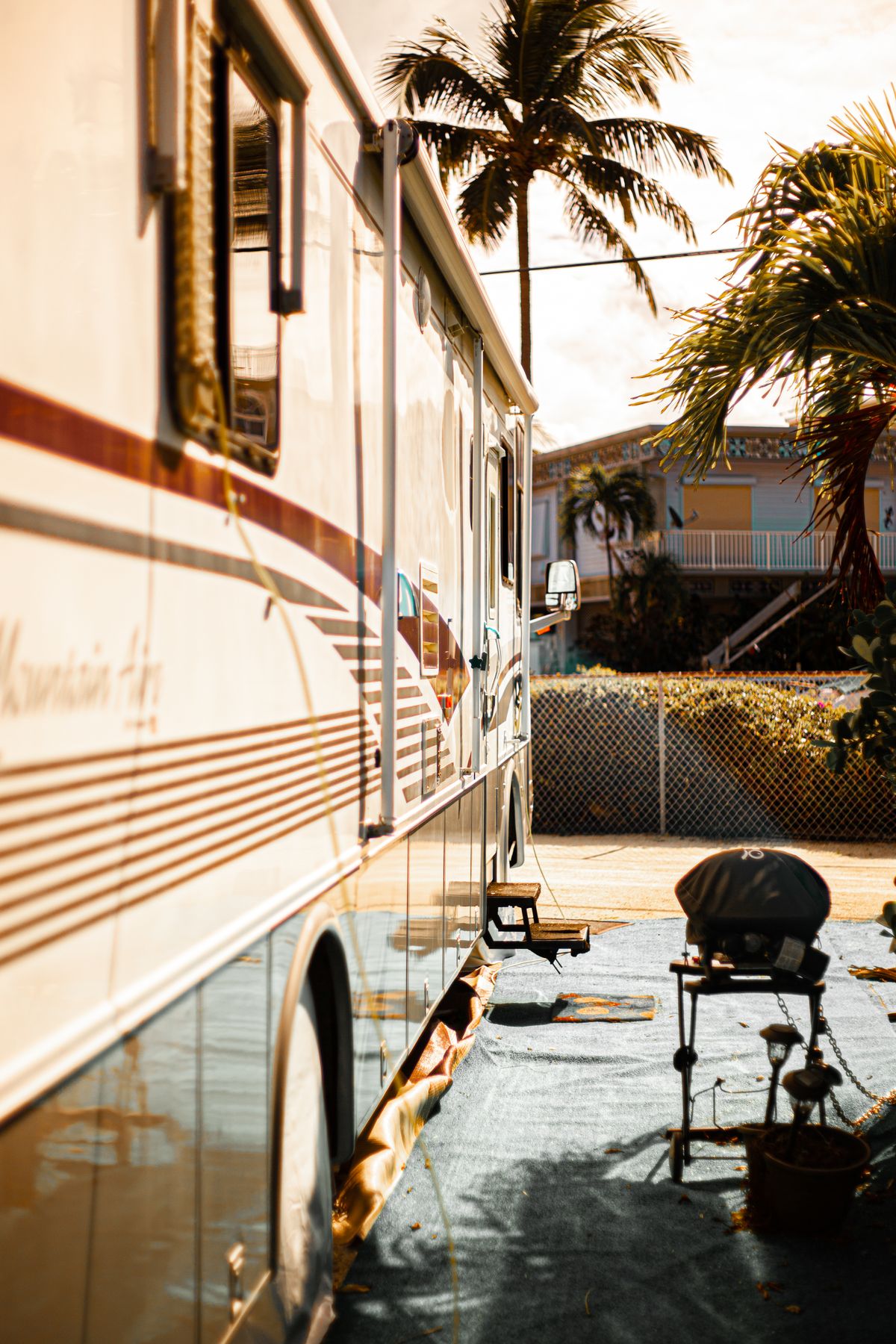
Slide-out service
Slide-Out Repairs at Your Space
- Stuck rooms, in or out. Electrical faults, sheared shear pins, jumped gear racks, and hydraulic issues diagnosed in place — including the manual-retract maneuver that gets a travel-day rig moving while the real fix is scheduled.
- Slide motors and controllers. Motors that hum without moving, controllers that lost their sync on a multi-motor room, and switches that only work when held at an angle known to one family member.
- Racks, rollers, and alignment. Rooms that travel crooked, bind at one corner, or chew their flooring are usually an adjustment problem — cheaper to correct now than after it eats the floor or the fascia.
- Slide seals — the desert's favorite victim. The rubber wipers and bulb seals around every slide bake, flatten, and split in this sun. Bad seals let in dust, water, and summer heat, and they're straightforward to replace at your site.
- Slide toppers. The small awnings over each slide sacrifice themselves to protect the roof of the room. Torn or flapping toppers replaced before the next wind finishes the job.
Awning service
Awning Repairs and Replacements
- Fabric replacement. Sun-rotted, wind-shredded, or flapping-torn vinyl and acrylic replaced on patio awnings — an on-site job with two people and the right tension technique.
- Motors and manual mechanisms. Electric awnings that quit mid-travel, remotes that lost pairing, and torsion assemblies on manual units that no longer hold spring tension safely.
- Bent arms and mounting damage. One gust is all it takes. Arms, brackets, and mounting points repaired or replaced — including wall-side attention where a loaded awning pulled at the siding.
- Wind and weather sense. Retract-on-wind sensors and honest advice about the valley's gust habits, which have folded more awnings than every other cause combined.
The cheapest awning repair is the one you prevent: in this valley, never leave an awning extended unattended. Afternoon gusts arrive fast off the mountains, and an extended awning gives them acres of fabric to grab and a lever arm into your sidewall. Roll it in when you leave, every time — the wind does not honor exceptions.
Travel day insurance
Stuck Open on Departure Morning
A slide that won't retract is the classic departure-day emergency, and it comes with genuine schedule pressure — checkout times, reservations down the road, a Death Valley itinerary. Call early and describe exactly what happens when you press the switch: silence, humming, clicking, or movement at one corner only. Each sound points somewhere different, and sometimes a phone walkthrough of the manual override gets you rolling the same hour, free. When it needs hands, travel-day stuck-slide calls get priority scheduling for obvious reasons.
Rubber vs. desert
Why Seals Fail Fast Here — and How to Slow Them Down
Every slide-out depends on soft rubber pressing against moving walls, and soft rubber is exactly what the Mojave is best at destroying. UV hardens the surface, single-digit humidity pulls out the plasticizers, grit rides the room in and out like sandpaper, and the day-night temperature swing works the material through thousands of extra flex cycles a year. The result: seals in this valley age on desert time, not brochure time. You can slow the clock considerably with a twice-yearly rubber-seal conditioning, a rinse when dust cakes the wipers, and the habit of running rooms fully in and out every few weeks on parked rigs so the seals don't take a permanent set. What you can't do is stop it — so when the carpet near a slide starts collecting grit or daylight shows at a corner, treat it as the maintenance flag it is and have the seals done before the next monsoon-season blow tests them for you.
Awning fabric ages by the same rules with one addition: a rolled-up wet awning in this climate breeds mildew stains that never leave. Dry it before you stow it, even here.
Coverage
Wherever Your Rig Parks
Slide and awning calls run to every park in the Pahrump valley, to private lots and acreage setups, and up the corridor through Amargosa Valley and Beatty. Long-parked rigs with rooms out year-round are a local specialty — those seals and toppers age fastest of all.
Quick answers
Slide-Out & Awning FAQs
My slide moves at one end and binds at the other. Keep trying?
Stop — that's a sync or rack problem, and forcing it bends expensive things. Racking a room out of square can escalate a modest adjustment into structural repair. Leave it where it is and get it diagnosed; this exact scenario is why the phone call is free.
Can slide seals really be replaced without pulling the room?
In most cases yes — wiper and bulb seals are accessible with the room positioned correctly, and full seal replacement is a normal on-site job. If your seals are visibly cracked or the carpet near the slide keeps collecting dust, they're past due.
How long does awning fabric replacement take?
A standard patio awning refabric is typically done within a couple of hours at your site, weather permitting — wind is the enemy of the job as well as the fabric. Measure nothing; give the technician your awning's brand and rough length and the right roll shows up on the truck.
Is a jammed slide safe to travel with?
A room properly retracted by manual override and secured is travel-safe. A room stuck partially out is not — don't tow or drive with a slide proud of the sidewall beyond a crawl to a safe spot. Get the override done first; it's usually minutes of work with the right tool.
The park says wind gusts hit 40 mph here. Should I worry about my slide?
Slides ride out valley wind fine — they're structure, not fabric. The wind casualties are awnings, toppers with dead tension, and anything left unlatched. Before a forecast blow: awning in, topper checked for flap, and loose site gear stowed. If a gust already got something, that's a routine repair call, not a catastrophe.
Do slide toppers actually matter, or are they cosmetic?
They matter here more than almost anywhere: they shade the slide roof, shed grit that would otherwise ride the room into your seals, and take UV punishment on behalf of parts that cost far more. A torn topper is worth replacing, not deleting.
Rooms That Move, Shade That Holds
Stuck slide or wind-torn awning, the fix comes to your space — start with the free phone quote.